
Evidence Submitted
Evidence submitted in toolmark cases may include tools such as bolt cutters, screwdrivers, scissors, knives, pliers, crowbars, and saws.
Objects where toolmarks might be observed include wire, sections of sheet metal, chains, safety deposit boxes, human bone or cartilage, padlocks, doorknobs, bolts, and a variety of other materials.
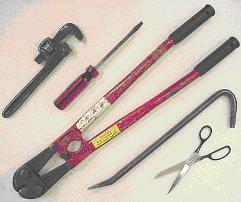
What a Toolmark Is
Toolmarks are scratches or impressions left on an object that is softer than the tool causing them. A barrel, the harder object, leaving markings on the surface of a fired bullet, the softer object, is one example of a toolmark. The same principle applies when the tip of a screwdriver scratches a metal surface, the tip of a pry bar scratches or indents a door jamb, or the cutting edge of bolt cutters leaves striations on a cut padlock shackle.
The unique imperfections on a tool's surface, transferred to the softer surface of the damaged object, can be used to make a positive identification of the tool that caused the striations or indentations.
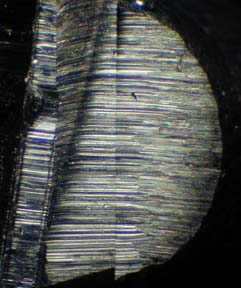
How Comparisons Are Made
Minute scratches, or striations, produced by tests made in the laboratory with the questioned tool are compared against the striations noted on the evidence. Using the comparison microscope, the toolmark examiner determines whether a particular tool may or may not have caused the markings.
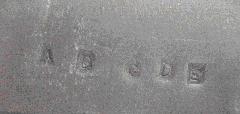
Impressed marks are also considered toolmarks. The tip of a screwdriver used to punch or indent a metal surface without penetrating it leaves an impression that can be identified to that tool. Center punches, chisels, hammers, and larger objects such as car bumpers may all leave identifying marks and impressions that, when compared in the laboratory, will identify or eliminate the tool or object that made them.
Get in touch
Contact the Crime Laboratory
Office hours are 8:00 AM to 4:30 PM, Monday through Friday.